

Residential Scaffolding: When Do You Need Scaffolding for a Home Project?
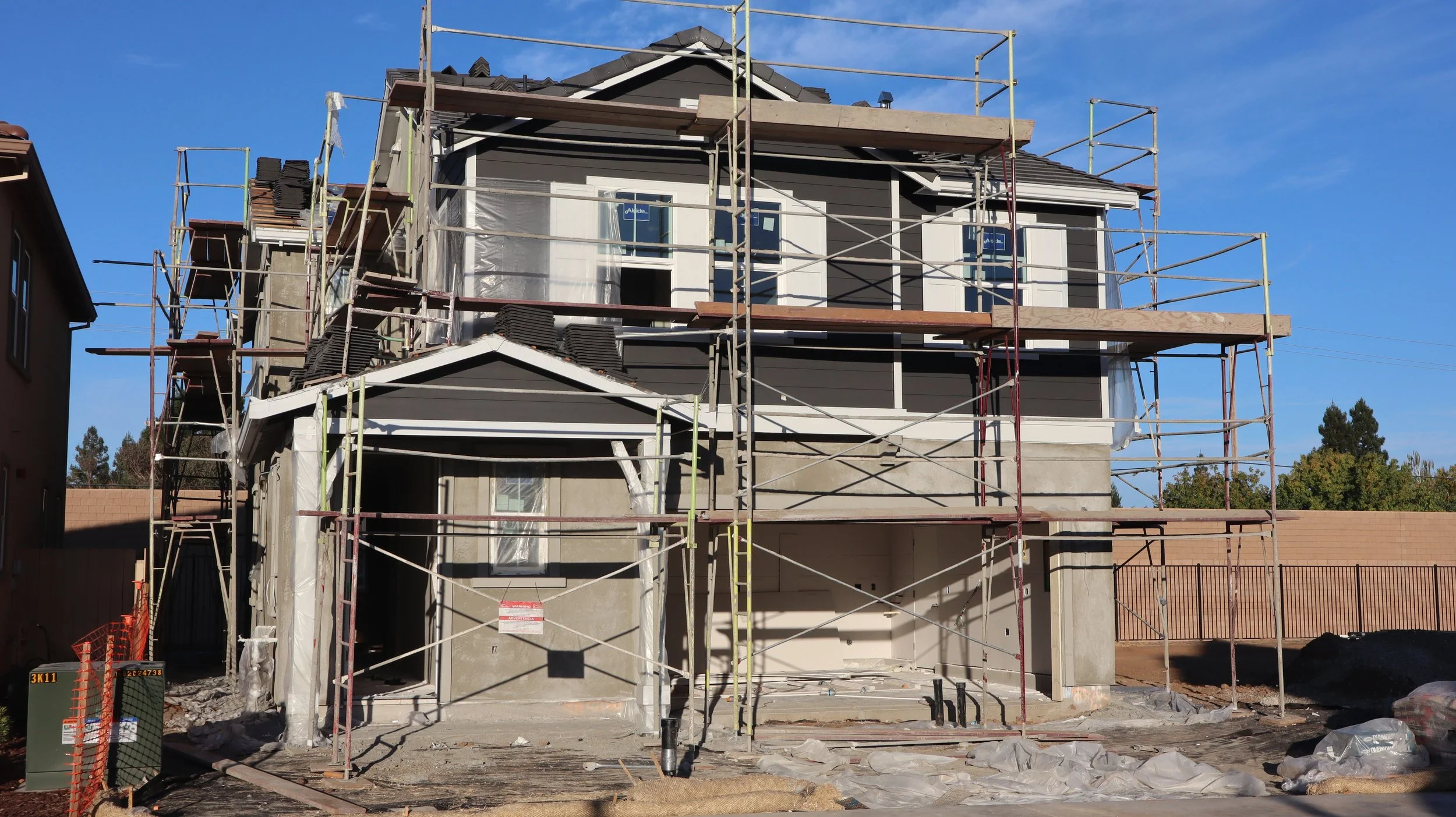
Working on your home can be very exciting, whether you’re renovating, replacing a roof, painting the exterior or finally getting around to those repairs you’ve been putting off. But once a project involves working at height, there’s another important question to consider:
Do you need scaffolding?
For many residential projects, scaffolding provides a stable working platform that allows tradespeople to access difficult areas of a property more safely and efficiently. It can also make a significant difference when work needs to continue around multiple sides of a home or over an extended period.
However, not every home improvement job requires a full scaffold.
Understanding when residential scaffolding makes sense can help homeowners plan their project properly, provide trades with suitable access and avoid trying to solve a difficult working-at-height problem once the job has already started.
If you're planning renovations, roofing, painting or other elevated work, here's what you should know.
What Is Residential Scaffolding?
Residential scaffolding is a temporary access and working platform erected around or alongside a house or other residential structure.
Depending on the project, scaffolding may cover one small section of the property, a complete wall, several elevations or almost the entire house.
The exact configuration depends on factors such as the height and shape of the building, ground conditions, access restrictions and the type of work being completed.
Unlike simply positioning a ladder against a wall, a properly planned scaffold can give workers a working platform from which they can move, position equipment and access different parts of the building.
That can be particularly useful when a job takes several days or requires workers to repeatedly access the same elevated area.
When Do You Need Scaffolding for a Home Project?
There isn't one universal answer. The appropriate access and fall-prevention measures depend on the work being undertaken and the risks present at the property.
In Western Australia, WorkSafe guidance emphasises managing the risk of falls. Where work cannot reasonably be completed from the ground or a solid construction, temporary work platforms and other fall-prevention measures may be appropriate.
Scaffolds are specifically recognised as a common form of temporary work platform used in housing construction.
Here are some of the residential projects where scaffolding is commonly considered.
1. Roof Repairs and Roof Replacement
Roofing is one of the most obvious situations where suitable working-at-height controls are important.
Whether you're replacing roof tiles, installing metal roofing, repairing storm damage or completing a full re-roof, workers need appropriate access to the roof and protection from fall hazards.
Roof pitch also matters. WorkSafe WA notes that fall risks increase when roof pitch exceeds 26 degrees, while the potential severity of injuries increases with greater fall heights.
For substantial roofing projects, perimeter scaffolding can provide workers with a stable platform around the roofline and can assist with access during different stages of the job.
2. Exterior Painting
Painting a single-storey wall from ground level may be straightforward. Painting second-storey walls, gables, eaves and other elevated areas can be very different.
A scaffold can give painters a larger and more stable working area than repeatedly repositioning access equipment around the property.
It can be particularly useful when the job involves preparation work as well as painting.
For example, the painter may need to:
scrape or sand existing coatings;
repair cracks or damaged surfaces;
apply primer;
apply multiple finish coats; and
work around windows, gutters and architectural features.
For larger exterior painting projects, scaffolding can make difficult sections of the home considerably more accessible.
3. Two-Storey Renovations and Extensions
Renovating or extending a two-storey home can involve numerous trades working at height.
Carpenters, bricklayers, roofers, renderers, painters and window installers may all require access to elevated parts of the building at different stages.
Rather than approaching access separately for every trade, scaffolding can provide a working platform that supports several phases of the project.
This is one reason it pays to discuss scaffolding early with your builder or tradespeople. Good planning can help ensure the scaffold configuration suits the work that actually needs to be performed.
4. Rendering and Cladding
Rendering, cladding and façade work usually involves more than reaching one isolated point.
Workers often need consistent access across a substantial section of wall while handling tools and materials.
For upper-storey rendering or cladding, scaffolding can provide the working space required to move progressively across the building rather than continually changing access positions.
The scaffold should still be designed and configured for the actual work and anticipated loads. You should never assume that every scaffold can carry any quantity of materials or equipment.
5. Gutter, Fascia and Eaves Work
Replacing gutters may sound like a relatively simple home maintenance job, but the work takes place directly along the roof edge.
The same applies to fascia replacement, eaves repairs and similar projects.
On a low, easily accessible section of a home, another appropriate access solution may sometimes be suitable. But for higher homes, sloping blocks or long stretches of roofline, scaffolding may provide a more practical working platform.
6. Solar Installation and Roof-Mounted Equipment
Installing solar panels, roof-mounted equipment or similar systems requires workers to repeatedly access the roof while handling equipment.
The right access solution will depend on the property, roof design and scope of the installation.
If you're arranging significant rooftop work, discuss access requirements with the contractor before the installation date rather than assuming ladders alone will be appropriate.
7. Window Replacement
Replacing upper-storey windows presents an obvious access challenge, particularly where large frames or glazing need to be manoeuvred into position.
Scaffolding can provide workers with a platform outside the building and may make it easier to safely coordinate installation work.
This can be particularly valuable for large windows, multiple replacements or windows positioned above difficult ground conditions.
8. Chimney and High-Level Repairs
Chimneys, high gables and other elevated architectural features can be among the hardest parts of a home to access.
Even a relatively small repair may require more substantial access equipment because of where the work is located.
In these circumstances, a smaller purpose-designed scaffold may be more appropriate than scaffolding the entire property.
Do You Always Need Scaffolding?
No.
The important issue isn't whether scaffolding is used for every job. It's whether the selected access and fall-control method is suitable for the work and the risks involved.
Depending on the project, alternatives can include suitable work platforms, elevating work platforms and other fall-prevention or access systems.
A straightforward task at a relatively low height may require a very different solution from a complete two-storey re-roof.
That's why it is worth speaking to experienced residential scaffolders in Perth before deciding what is required. They can assess the site, understand what the trades need to access and determine an appropriate scaffold configuration where scaffolding is the suitable solution.
What About WA Scaffolding Requirements?
Homeowners and contractors should take working-at-height requirements seriously.
Western Australia's WorkSafe guidance requires fall risks at workplaces to be managed, and scaffolds are recognised as one form of temporary working platform.
There are also specific requirements for certain scaffolds. For example, where a person or object could fall more than four metres from scaffolding, WA guidance states that erection, alteration and dismantling must be undertaken by a licensed scaffolder or a trainee under the direct supervision of a licensed scaffolder.
Scaffolding must also be appropriately inspected, and safe access to and from the scaffold needs to be provided.
Requirements can vary according to the circumstances, so homeowners shouldn't rely on a rule of thumb such as "it's only a quick job" or "it's only one storey."
The risks and appropriate controls need to be considered for the actual project.
Why Use Professional Residential Scaffolders?
A residential property can present more scaffolding challenges than you might initially expect.
There may be narrow side access, patios, pools, garden beds, retaining walls, neighbouring properties, sloping ground, overhead services or limited space for materials.
Experienced scaffolders can consider these factors when planning an access solution.
Professional scaffolding also helps ensure that the people who actually need to use the scaffold — whether roofers, painters, renderers or other trades — have appropriate access to their work areas.
The cheapest or smallest scaffold isn't necessarily the most useful one if workers cannot comfortably reach the areas they need.
Planning Scaffolding for Your Perth Home
If you think your project may require scaffolding, arrange it early.
Start by establishing the scope of work. Which parts of the property need to be accessed? How high are they? Which trades will use the scaffold? Will materials need to be stored on working platforms? How long is the work expected to take?
You should also identify potential site restrictions such as narrow access, uneven ground and obstacles around the home.
Providing this information when requesting a quote can make it easier for a scaffolding company to understand the project and recommend a suitable solution.
It's also worth coordinating scaffold installation with your trades. You don't want roofers or painters arriving before safe access is ready, nor do you want scaffolding sitting unused unnecessarily because another stage of the renovation has been delayed.
Need Residential Scaffolders in Perth?
Scaffolding isn't required for every home improvement project, but when work involves difficult or repeated access at height, it can be an important part of creating a practical working environment.
From roof replacements and exterior painting to renovations, rendering and high-level repairs, the right scaffold setup should be matched to the property and the work being undertaken.
Flexlift Scaffolding provides scaffolding solutions for residential and commercial projects, with a focus on safe and reliable access.